EV Charging Capacitor: How the Right Capacitor Reduces Downtime and Operating Costs
What Is an EV Charging Capacitor?
An EV charging capacitor is a high-reliability capacitor used in electric vehicle charging power modules to stabilize DC voltage, suppress ripple current, and ensure efficient energy conversion.
It is widely applied in:
- PFC (Power Factor Correction) circuits
- DC-link filtering stages
- On-board chargers (OBC)
- DC-DC converters
- DC fast charging power modules
In modern high-power charging systems, the performance of the capacitor for EV charger directly affects charging efficiency, system stability, and long-term operating cost.
Why EV Charging Capacitors Matter in Charging Stations
In a DC fast charging station, power modules operate continuously under:
- High voltage conditions
- High ripple current stress
- Elevated operating temperatures
Under these conditions, the EV charging capacitor is not a passive component — it is a key factor that determines:
- Charging stability
- System efficiency
- Equipment uptime
- Maintenance frequency
A small degradation in capacitor performance can lead to system-level failures.
What Does EV Charging Capacitor Failure Cost Operators?
When an EV charging capacitor degrades or fails, the impact is not limited to component replacement. It creates a chain of operational losses:
- Reduced charging efficiency and higher electricity cost
- Slower charging speed and unstable output
- Excessive ripple voltage triggering vehicle BMS alarms
- Charging interruption or system shutdown
- Emergency maintenance and technician dispatch
- Lost charging revenue during downtime
- Customer complaints and reduced station utilization
In real operation, the biggest cost is not the capacitor itself, but:
Hidden operational losses:
- Downtime revenue loss
- Repeated maintenance costs
- User experience degradation
- Brand reputation impact
For multi-station operators, these losses can accumulate into significant annual operating expenses.
Why Do EV Charging Capacitors Fail Early?
Compared with laboratory conditions, real charging environments are far more severe.
High Temperature Stress
Inside charging cabinets, temperatures often reach 70°C–85°C.
At high temperatures:
- ESR increases rapidly
- Capacitance decreases
- Internal heat accelerates aging
This significantly shortens capacitor lifetime.
High Ripple Current Overload
In 30kW–350kW DC fast chargers, ripple current can reach 20–50 Arms.
If the EV charging capacitor cannot handle high ripple:
- Internal heating increases
- Thermal stress accumulates
- Early failure occurs
This often leads to system instability or shutdown protection.
Space Constraints in High-Power Modules
Modern EV chargers are designed for:
- Higher power density
- Smaller cabinet size
- Modular architecture
This places higher requirements on capacitor size and thermal design.
Vibration and Outdoor Conditions
Outdoor charging stations and mobile charging systems are exposed to:
- Mechanical vibration
- Thermal cycling
- Environmental stress
This may cause:
- Solder joint fatigue
- Internal structural loosening
- Connection instability
Why Snap-In Capacitors Are Commonly Used in EV Chargers
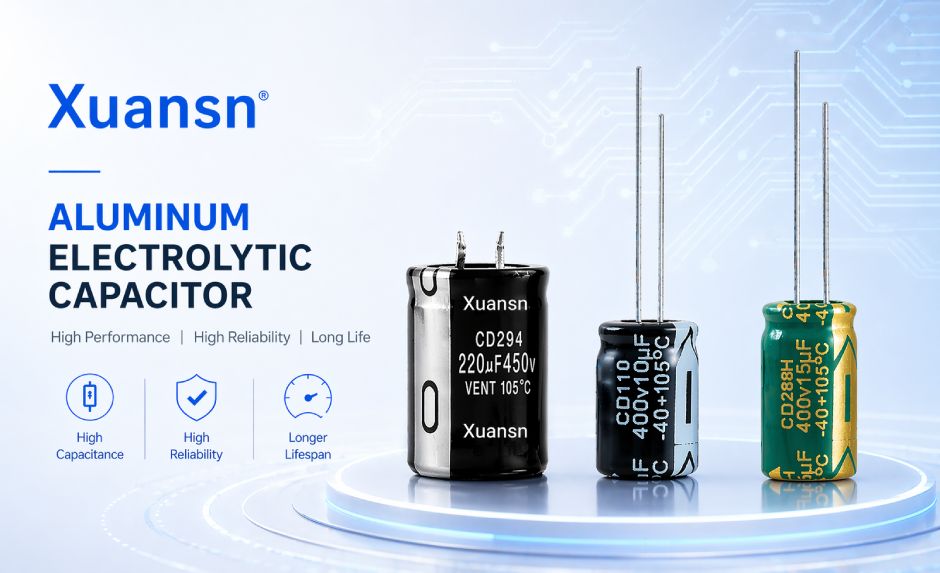
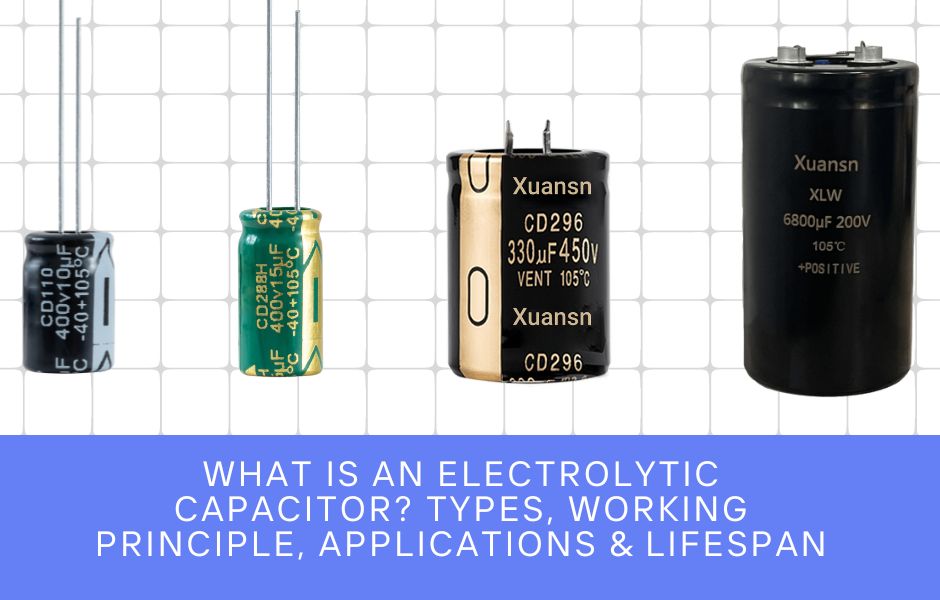
In high-power charging systems, snap-in capacitors are widely used as EV charging capacitors due to their balance of performance and reliability.
They offer:
- High capacitance density
- Strong ripple current capability
- Stable PCB mounting structure
- Excellent thermal performance
- Long operational life
Typical applications include:
- PFC circuits
- DC-link energy storage
- EV charger power modules
- 800V fast charging systems
Compared with conventional capacitor structures, snap-in capacitors provide better suitability for high-power industrial environments.
How to Choose an EV Charging Capacitor
Selecting the right EV charging capacitor is critical for system reliability and cost control.
Voltage Rating
Common ranges:
- 450V
- 500V
- 550V
- 600V
Higher voltage margin improves reliability.
Ripple Current Capability
High-power EV chargers require:
20–50 Arms ripple current capability
Insufficient ripple performance leads to overheating and early failure.
Temperature Resistance
Recommended range:
-40°C to +105°C
Higher temperature tolerance improves lifespan in real operating conditions.
Lifetime Expectancy
A standard rating:
105°C / 6000h
At lower operating temperatures, real service life can extend significantly.
ESR Performance
Low ESR is critical because it:
- Reduces heat generation
- Improves efficiency
- Extends service life
Xuansn EV Charging Capacitor Solution
The Xuansn XTN Series EV Charging Capacitors are designed specifically for:
- EV charger power modules
- PFC stages
- DC-link applications
- High-power industrial systems
Each feature is engineered to reduce operational cost and improve system reliability.
High Power Density Design
- Up to 25% smaller size
- Supports 800V EV charging systems
- Improves cabinet layout efficiency
High Ripple + Low ESR Performance
- Ripple capability improved by 30%
- Temperature reduced by 8–12°C
- Lower failure risk in continuous operation
Long Lifetime Operation
At 85°C ambient temperature, lifetime can reach:
Up to 24,000–32,000 hours equivalent
Under real charging usage (6–8h/day), service life can reach:
8–12 years
Automotive-Grade Reliability
- 10G vibration resistance
- AEC-Q200 compliant design
- Reinforced terminal structure
Lower Total Operating Cost
- Reduced maintenance frequency
- Lower downtime cost
- Faster delivery (2–4 weeks)
FAQs About EV Charging Capacitors
What is an EV charging capacitor used for?
It is used in EV charger power modules to stabilize voltage, filter ripple current, and ensure efficient power conversion.
Why do EV charging capacitors fail?
Main reasons include high temperature, high ripple current, vibration stress, and insufficient thermal design.
Are snap-in capacitors suitable for EV chargers?
Yes, snap-in capacitors are widely used in EV charging systems due to their high capacitance, strong ripple capability, and reliable mounting structure.
What is the lifespan of an EV charging capacitor?
Depending on operating conditions, lifespan can range from 3 years to over 10 years in optimized systems.
Conclusion
The performance of an EV charging capacitor directly determines the reliability, efficiency, and operating cost of EV charging stations.
Capacitor failure leads to:
- Downtime
- Revenue loss
- Increased maintenance cost
- Poor user experience
By using high-reliability, low-ESR, high-ripple capacitors such as the Xuansn XTN Series, charging station operators can significantly reduce hidden operational costs and improve long-term system stability.