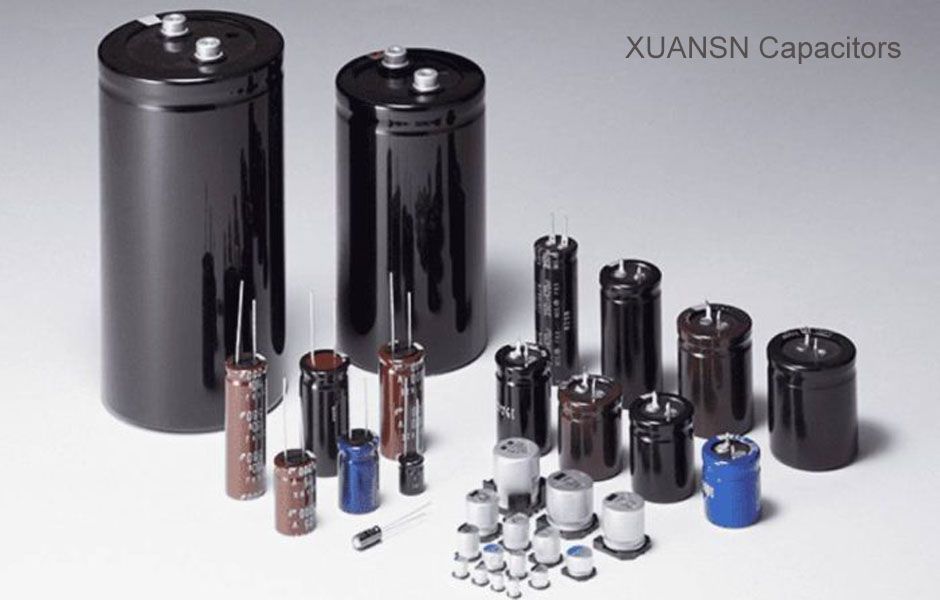
Why Aluminum Electrolytic Capacitor Selection Matters
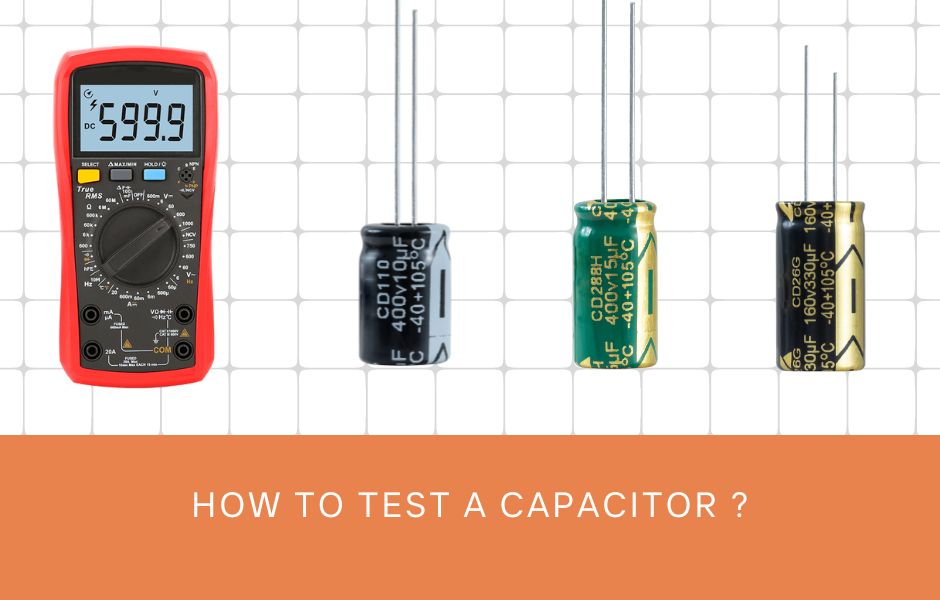
Aluminum electrolytic capacitors are the workhorse of power electronics — used for input and output filtering, DC-Link smoothing, motor drives and energy storage. They also have a limited lifetime that depends on operating temperature and ripple current, so choosing the right capacitance, voltage, ESR and temperature rating is not optional. A wrong part can overheat, age early or fail in the field. This guide covers the parameters to check and the rules for derating.
Types of Aluminum Electrolytic Capacitors
Select the construction that fits your mounting and current requirements:
| Type | Typical Use |
|---|---|
| Radial Lead | Through-hole general purpose and power supplies |
| SMD | Automated assembly, compact designs |
| Snap-In | Power supplies, welding, industrial |
| Screw Terminal | High-power drives, inverters, UPS |
| Solid Polymer | Low ESR, high-frequency, long-life |
Browse our aluminum electrolytic capacitor range covering radial, SMD, snap-in, screw and solid polymer types.
Capacitance and Tolerance
Capacitance determines the energy the part can store. Match the value the circuit needs and account for the tolerance grade (commonly ±20%, ±10% or ±5% for tighter designs). For bulk hold-up, verify the capacitance is sufficient for the required discharge time at the working voltage. Electrolytic capacitance also drifts with age and temperature, so design with margin rather than at the exact boundary.
Voltage Rating and Derating
The rated voltage is the maximum continuous DC voltage. Aluminum electrolytic capacitors should be operated at or below about 80% of the rated DC voltage. Remember that ripple voltage adds to the DC level — derate both separately so the instantaneous sum stays within rating. Selecting a higher voltage rating also gives a longer life, at the cost of size.
ESR and Ripple Current
ESR is the capacitor’s internal resistance. Ripple current flowing through ESR produces heat (P = I²R). Exceeding the ripple current rating raises internal temperature and shortens life. For high-ripple applications such as DC-Link and switching supply outputs, choose low-ESR types and verify the ripple current rating at your operating frequency. Standard electrolytics have higher ESR and are suited to bulk hold-up where ripple is moderate.
Leakage Current
Leakage current is the small current that flows through the dielectric. It matters in low-power and battery-backed circuits where charge must be held. Check the leakage specification against your standby budget; leakage tends to rise with temperature and age.
Temperature Range and Lifetime
Electrolytic capacitor life is governed by the electrolyte — it evaporates faster at higher temperature. A common rule is that lifetime roughly doubles for every 10 °C reduction in case temperature. Match the rated temperature range (−40 °C to +85 °C or +105 °C) to the environment, keep ripple current within rating to limit self-heating, and consider long-life grades for hot or hard-to-service locations.
Selection by Application
- Power supply input/output: standard or long-life electrolytics with adequate voltage margin
- DC-Link and inverters: high-ripple, low-ESR screw terminal or snap-in types
- Compact consumer boards: SMD types for automated assembly
- Low-ESR/high-frequency: solid polymer capacitors
- Audio and precision: check ESR and dissipation factor against circuit stability
Common Selection Mistakes
- Selecting capacitance without checking voltage derating
- Ignoring ripple current rating and self-heating
- Using a polarized electrolytic with reversed polarity
- Overlooking operating temperature and lifetime requirements
- Matching the value but not the ESR the circuit needs
FAQ
What is the lifetime of an aluminum electrolytic capacitor? It depends on temperature and ripple current; lifetime roughly doubles for each 10 °C drop in case temperature, so keep parts cool for longest life.
What voltage should I choose? Operate at or below 80% of the rated voltage, and account for ripple voltage on top of the DC level.
Radial, snap-in or screw terminal? Radial fits through-hole general use, snap-in suits power supplies, and screw terminal handles high-current, high-power applications.
Do you supply custom electrolytic capacitors? Yes — our customization team can tailor parameters, packaging and marking for your design.
For a comparison of all capacitor types, see our complete capacitor types guide.
Need Help Selecting Aluminum Electrolytic Capacitors?
Xuansn Capacitor manufactures the full range of aluminum electrolytic capacitors. Send us your voltage, capacitance, ripple and temperature requirements — send your inquiry. See also our general capacitor selection guide and electrolytic capacitor manufacturer guide.